
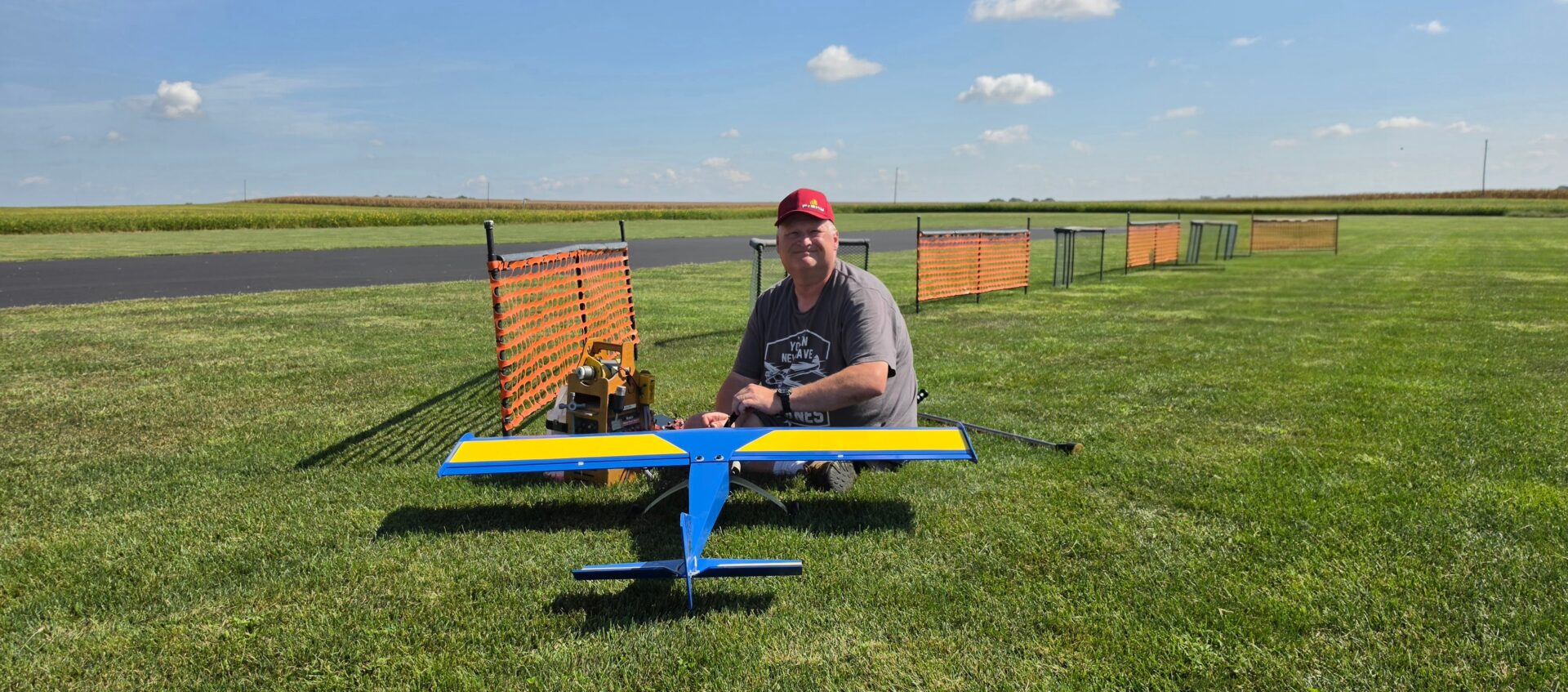
Glow and Gas: Start With the System You Have
This center is the map for choosing, installing, starting, tuning, and troubleshooting fuel-powered RC airplane systems. Glow and gasoline engines share some basic habits, but their fuel, ignition, plumbing, and starting equipment are not interchangeable.
New to glow engines?
Learn the parts, fuel, glow plug, needles, and rich-versus-lean basics first.
Ready to run a glow engine?
Follow the starting and tuning sequence from first prime through dependable idle.
Installing a gas engine?
Work through mounting, ignition, power, linkages, plumbing, cooling, and preflight.
Engine will not stay running?
Start with fuel delivery, glow or ignition, mixture, tank position, and vibration.
Fuel-powered RC airplanes have a different rhythm than electric models. There is more equipment to install, more to check before the first start, and more information to learn about fuel delivery, mixture, cooling, vibration, and receiver power. Once the system is set up correctly, the process becomes predictable.
This center brings the glow and gasoline guides together in the order I would use at the workbench and at the field.
Choose your engine path
Glow and nitro engines
Start with the Nitro RC Airplane Engines beginner’s overview. It explains two-stroke and four-stroke glow engines, fuel, glow plugs, carburetor needles, starting equipment, and the difference between rich and lean.
When you are ready to run one, use the glow-engine starting and tuning guide for a practical sequence from first prime through full-throttle mixture, transition, and dependable idle.
Gasoline engines
The Gas RC Airplane Setup and Preflight Guide covers engine mounting, ignition installation, receiver power, fuel plumbing, throttle and choke linkages, propeller installation, first start, ground running, and final checks.
Fuel tanks and plumbing
A good engine cannot run consistently if the tank, clunk, tubing, vent, stopper, or fuel level is wrong. Use the RC airplane fuel-tank and plumbing guide to plan the installation and diagnose foaming, air leaks, poor fuel draw, and changing mixture during flight.
Receiver power and vibration
Fuel-powered airplanes normally use a receiver battery, switch, and sometimes a regulator. Gas airplanes also have a separate ignition system and battery. Follow the receiver installation, failsafe, and range-test guide, secure every connector, protect equipment from vibration, and separate ignition components as the manufacturers specify.
Propellers, cooling, and installation
Use only propellers approved for the engine and operating range. Balance the propeller, tighten it correctly, and recheck it after the first runs. Make sure cooling air can enter the cowl and has a larger path to leave. A neat cowl opening does not help if hot air is trapped around the cylinder.
Our RC airplane propeller guide explains diameter, pitch, rotation, installation, and safety.
Troubleshooting path
- Glow or gas engine will not start or quits
- Engine runs on the ground but quits in flight
- Intermittent radio or signal problems
Final preflight
After the engine runs reliably, complete the full RC airplane preflight checklist. Check the airframe, CG, control direction, failsafe, range, receiver battery, throttle operation, fuel system, propeller, and takeoff plan before the first flight.
Fuel Guides
- Gasoline RC airplane engines: beginner’s guide
- Fuel selection, mixing, and storage
- Smoke-system installation, setup, and safety
- Receiver and ignition batteries — the Radio & Receiver Setup guide for battery selection and installation.
Taking a fuel-powered airplane to the lake
For glow and gas models on floats, plan reliable idle and transition, safe starting and launching, receiver and ignition power, and retrieval after a dead stick. Our water-flying guide compares electric, nitro, and gasoline setups and covers float installation, takeoff, and landing.
Related project
See how a large gasoline-powered biplane airframe was evaluated and rebuilt in Tom’s Hangar 9 100cc Beast repair log.